
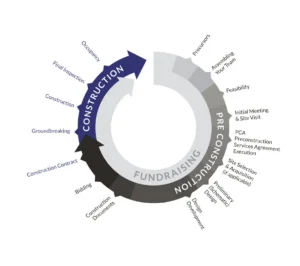
This is the third article in our four-part series detailing the nonprofit and church building process.
The first step: Assembling Your Team: The Key to Successful Nonprofit and Church Construction
The second: Assessing Feasibility: Planning a Successful Nonprofit or Church Building Project
The fourth: Preconstruction Explained: Laying the Foundation for a Successful Church or Nonprofit Project – Part 2
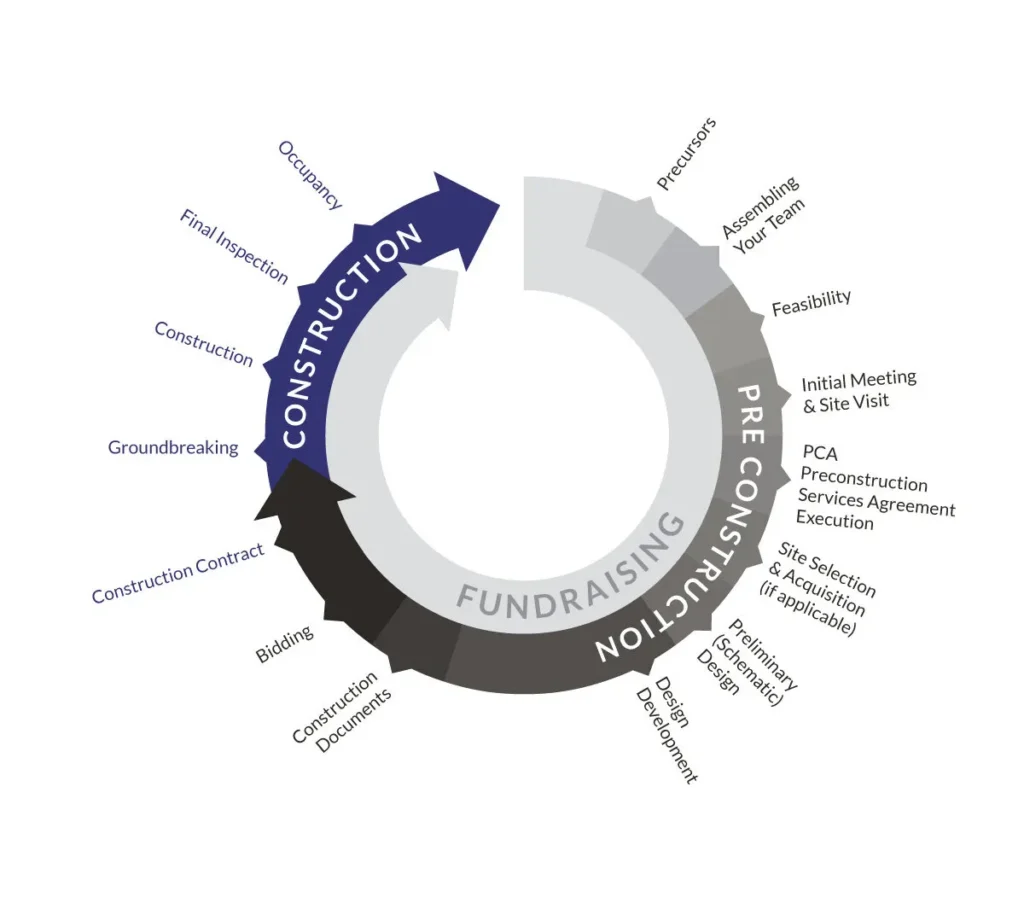
Now you are ready to move into the preconstruction phase of the building process. At this point, some level of commitment, such as a preconstruction service or design build agreement with your contractor (and associated fee), is required. Preconstruction can take longer than construction and is divided into phases.
PRECONSTRUCTION AGREEMENTS
Supreme Structures recommends signing a Preconstruction Services Agreement (PCA) or Design Build Agreement (DBA) before beginning preconstruction. The agreement and associated fee cover architectural and engineering services (if applicable), budgeting, and other key support. It defines the roles and responsibilities of all stakeholders, including the client, and establishes scope and timeline.
The PCA or DBA function as a mutual commitment to move forward as a team, formally initiating contractor activity and ensuring clarity before design and construction begin.
PROGRAMMING AND SITE SUITABILITY AND ANALYSIS
Preconstruction begins with site visits and meetings to better understand how the space will be used and to identify the needs and priorities of its users. If the project involves new construction or an addition, the team also evaluates the site’s suitability for building, including accessibility, grading, utilities, and zoning.
Schematic Design
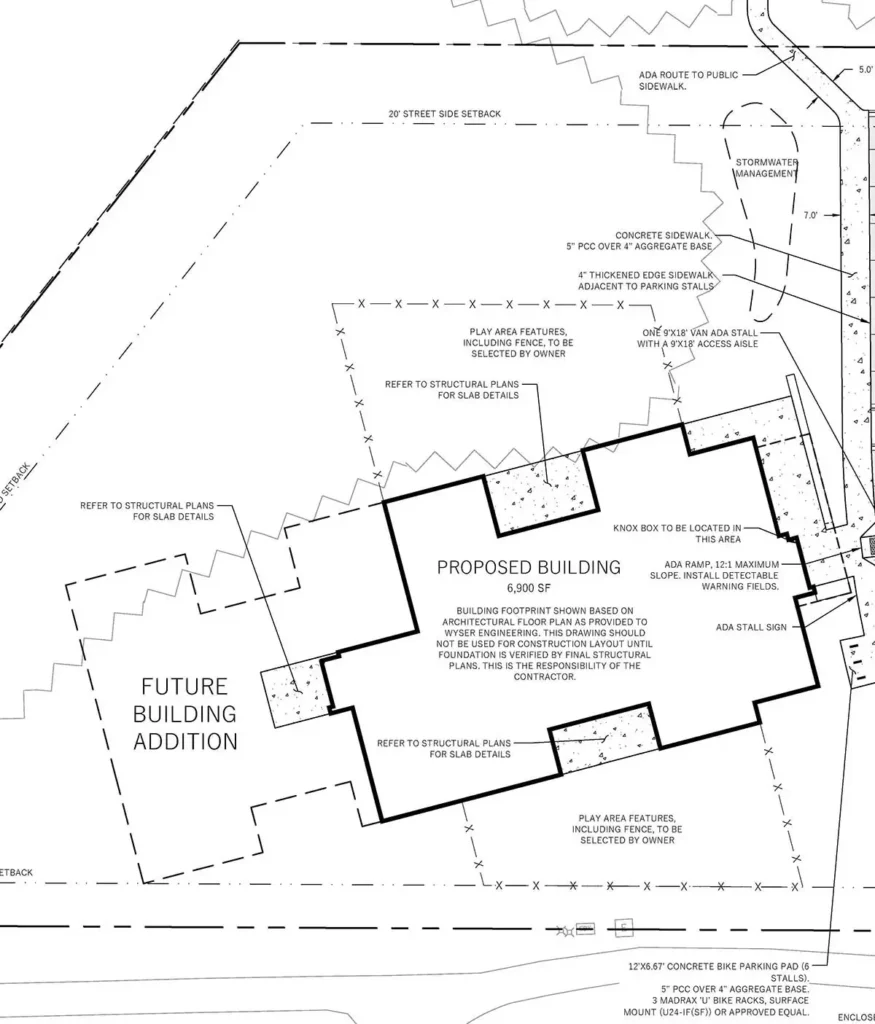
Schematic Design (SD) refers to the first set of architectural drawings. When completed in coordination with a contractor, these drawings are supported by budget estimates, data, and strategy. This phase offers many opportunities for cost control and value engineering.
Creating multipurpose spaces is one of the most effective strategies. For example, a gymnasium can double as a fellowship hall or community gathering space, and a school’s multipurpose room might host classes, meetings, performances, and fundraisers. This “hardworking square footage” ensures your organization gets the most use out of every space.
Understanding how material and design choices impact overall cost is another key element. Supreme Structures provides cost comparisons for different quality levels of key building components and can identify selections that can be finalized later once fundraising or financing is confirmed.
Master planning and phasing help prioritize immediate needs over “nice-to-haves,” aligning physical expansion with organizational and financial growth. This long-term approach avoids wasted effort and expense while creating a clear roadmap for future improvements.
Input and Buy-In
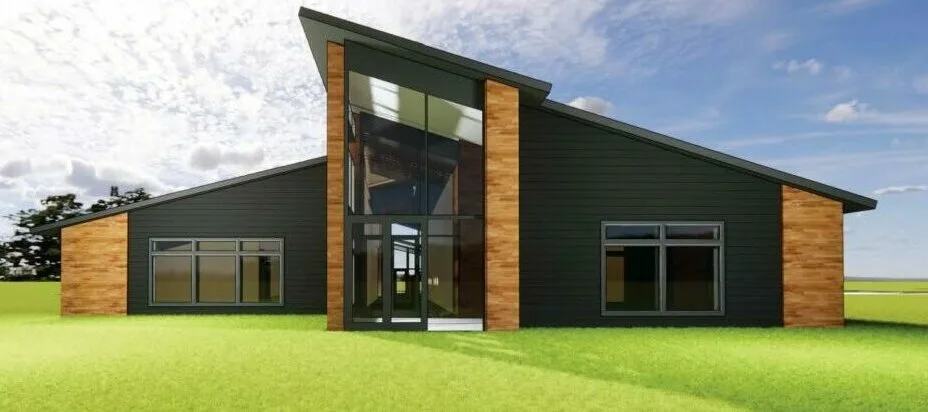
Once a schematic design draft is complete, your building committee could share it with a slightly broader audience for feedback. This “soft launch” helps generate excitement and gather insights that strengthen the plan before it’s finalized and, if needed, set the stage for fundraising.
Contact our team to learn more about preconstruction and how involving a contractor early helps your project stay on budget, on schedule, and aligned with your mission.