
This is the fourth article in our four-part series detailing the nonprofit and church building process.
The first step: Assembling Your Team: The Key to Successful Nonprofit and Church Construction
The second: Assessing Feasibility: Planning a Successful Nonprofit or Church Building Project
Once you’ve established initial design and funding, your organization can move forward with the final phases of preconstruction: design development, construction documents, bidding, and the construction contract.
Design Development and Construction Documents
In these final design stages, many ideas from schematic design are refined with greater detail—often to about 50% in design development and 90% in construction documents.
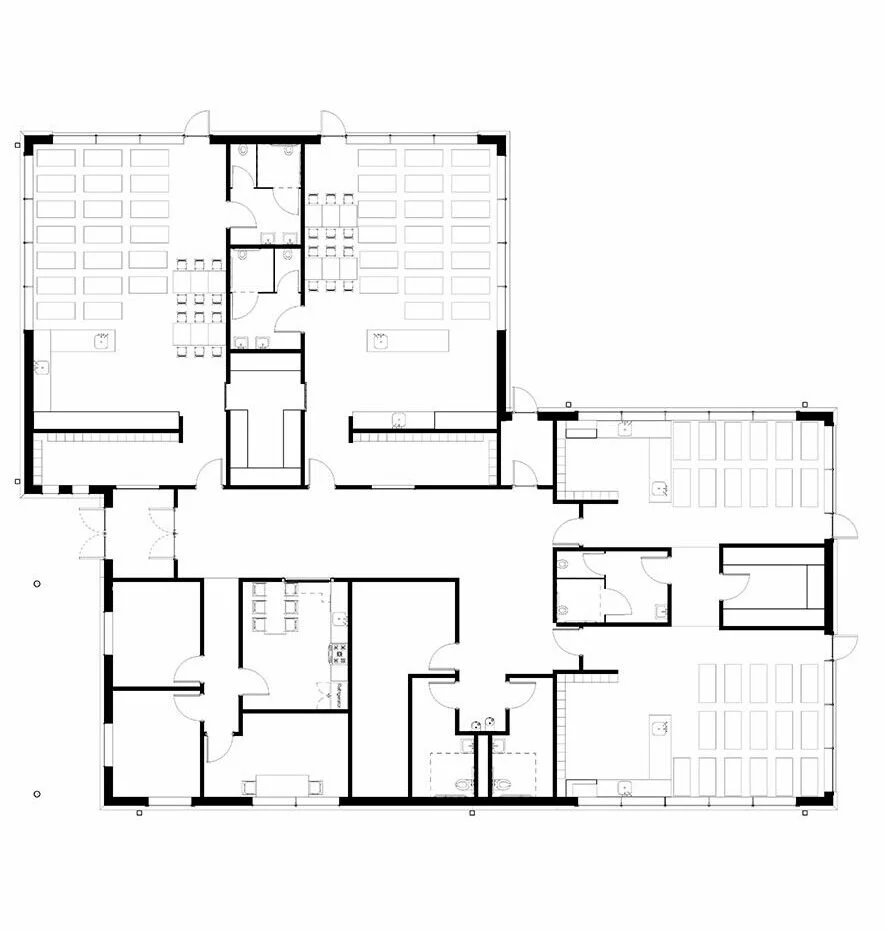
During this time, your team will need to revisit the schematic design budget and compare it with actual fundraising and financing results. Organizational needs may also have evolved since schematic design began. For example, a church might add new programming or accessibility features, or a nonprofit might expand space to accommodate growing services or partnerships.
Each time the architectural design is updated, your contractor refines the budget to ensure it stays within the project’s financial goals.
Value Engineering
Supreme Structures’ cost analysis process gives organizations flexibility and control during material and finish selections, which can significantly affect the overall budget.
Value engineering is a systematic approach to reducing costs without sacrificing quality, functionality, or design intent. Subcontractors often contribute their specialized expertise, helping to identify creative ways to save.
In some cases, volunteer labor—whether from a congregation or community members—can also help manage costs and foster ownership in the project.
Bidding and Construction Contract
Once construction documents are complete, bidding is completed to inform a final contract budget. When a contractor is involved early in preconstruction, through a design-build process, there are typically fewer surprises at this stage.
The general contractor acts as the bidding agent, distributing plans to multiple subcontractors in each trade, such as electrical or plumbing. This competitive process helps secure fair pricing, though the lowest bid isn’t always the best choice. Supreme Structures reviews results alongside the owner to ensure transparency and value.
Ready to get started?
Contact our team to learn more about preconstruction and how early collaboration with a trusted contractor helps your project stay aligned with your goals, budget, and mission.